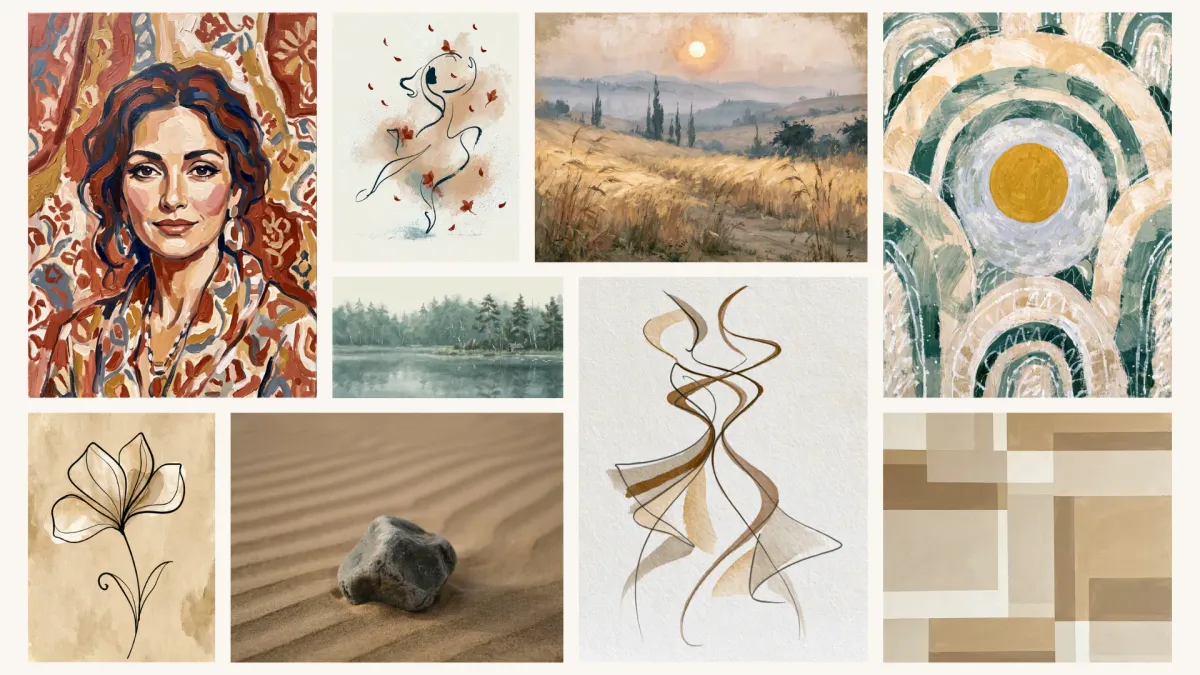
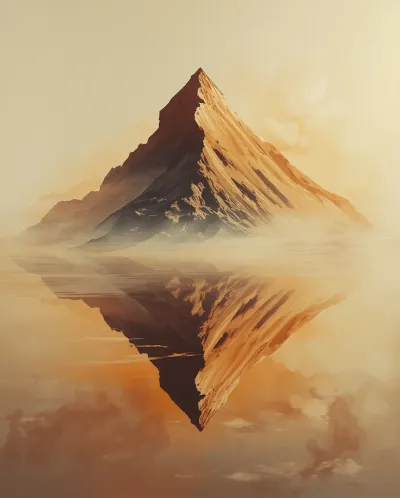
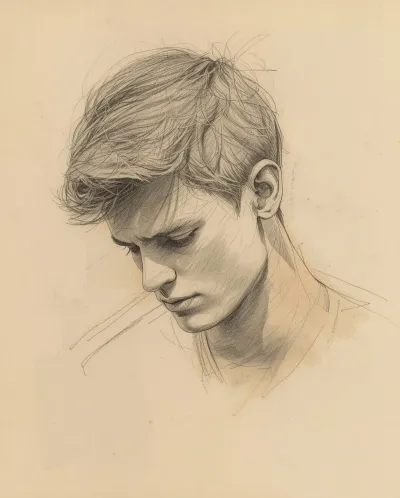
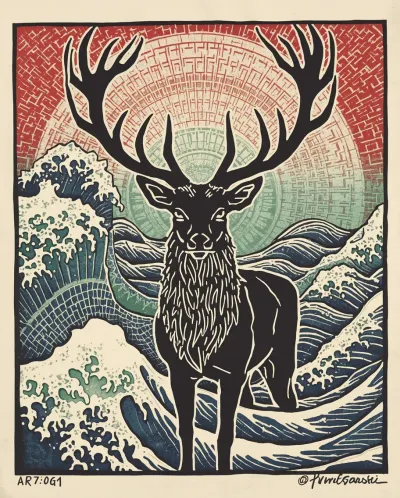
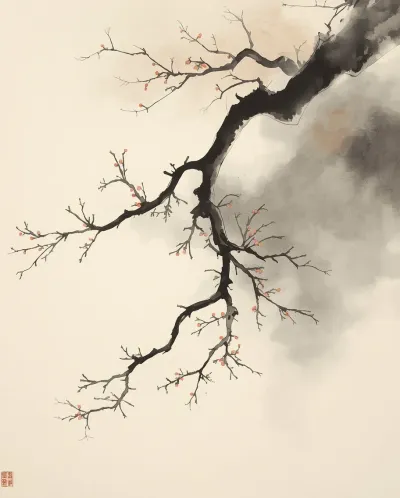
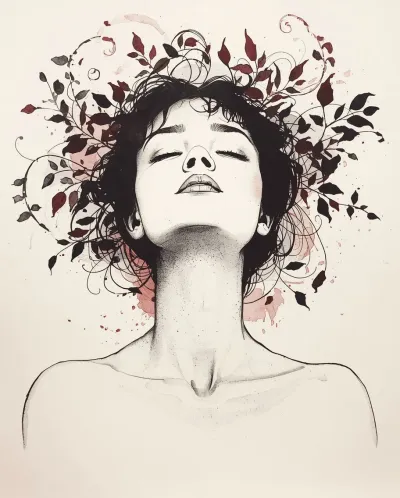
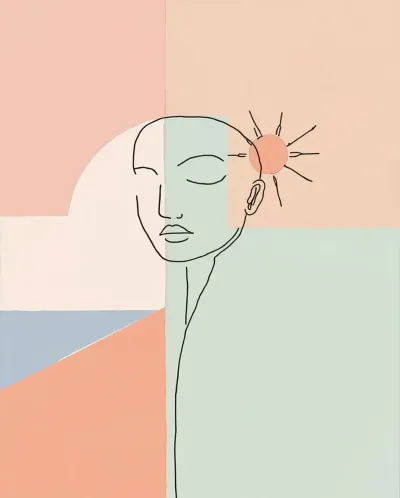
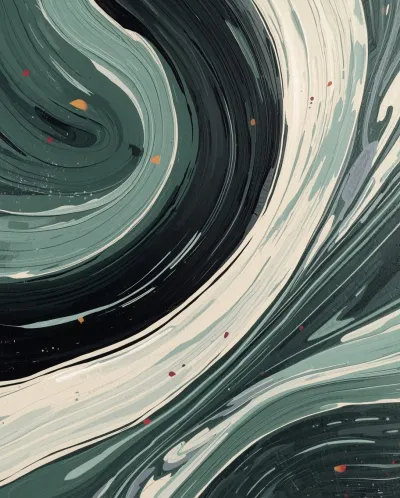
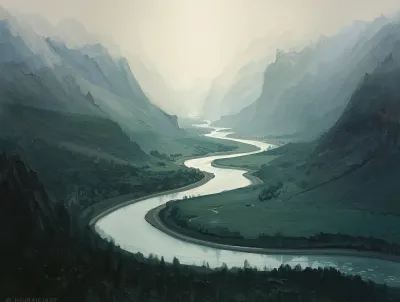
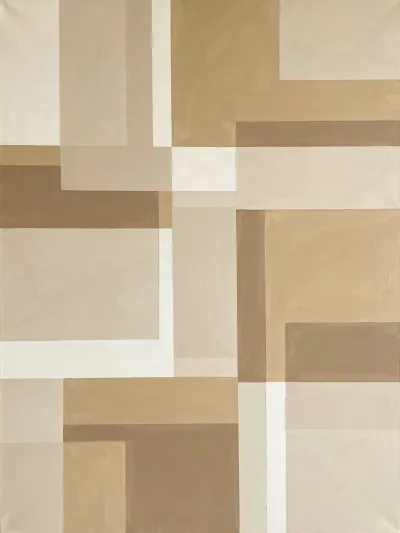
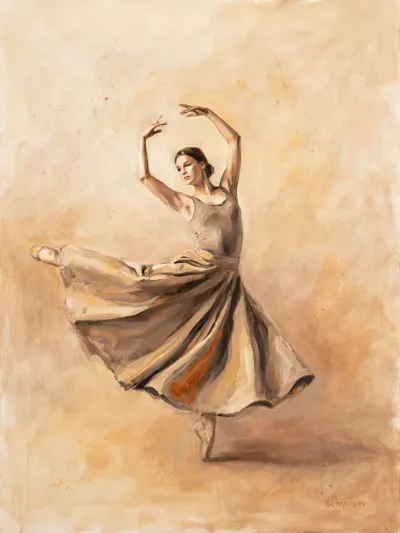
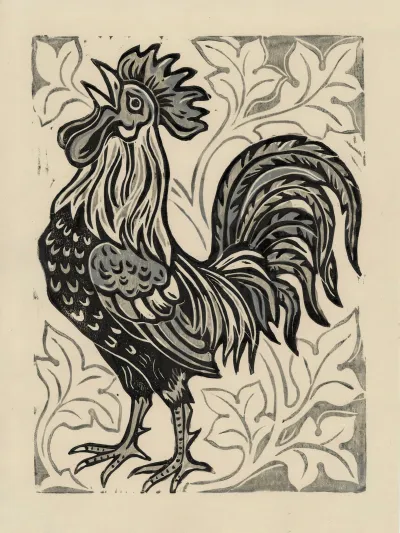
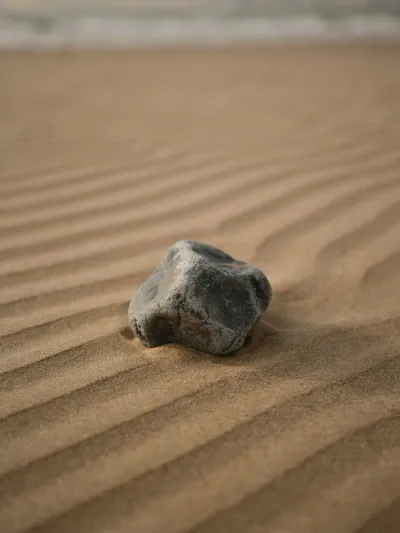
Wall art is the hardest thing on this whole site to score, because there is no scoreboard for it. A piece that stops us in our tracks might do nothing for you, and something you'd frame tomorrow might be the first one we'd scroll past. So imagine how hard it was to judge AI tools’ performance on it! Wall art lives in feeling - the mood it sets, the emotion it pulls out of the person standing in front of it. So that is the lens we used here. Not "is this correct", but "does this make you feel something".
A quick note on scope. When we say wall art here we mean paintings, photographs, and typography designs - that is the ground this post covers. And we lean modern. AI can paint like the old masters too, and a Renaissance-style piece is well within reach, but this builder and this comparison sit on the modern side of art.
We ran a similar wall art brief through 8 AI generators. Here is the lineup:








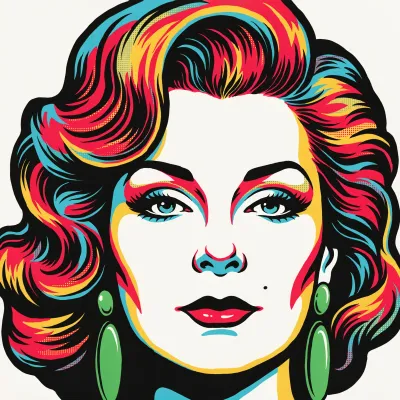
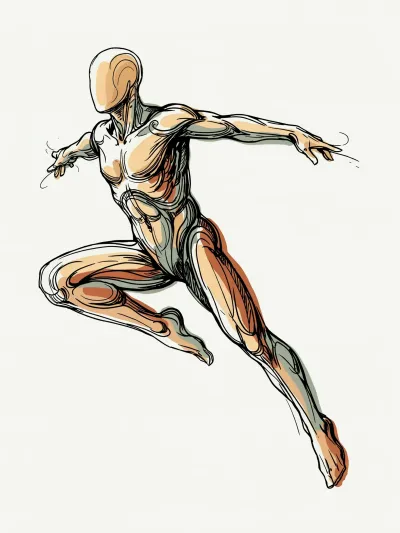
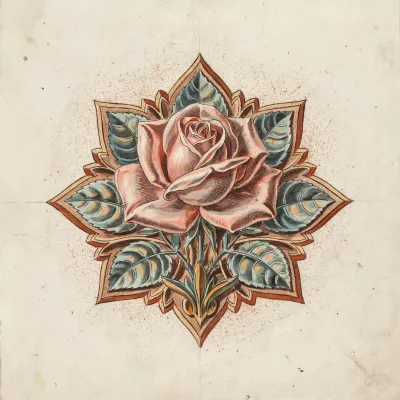
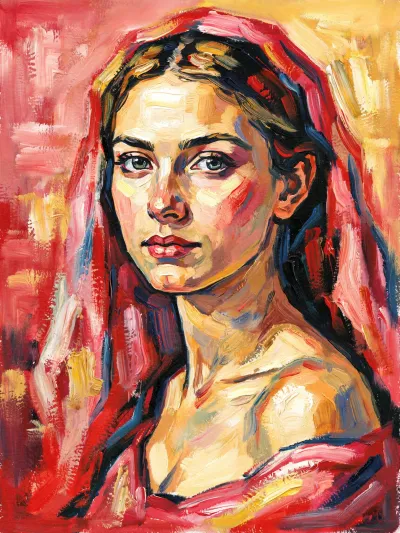
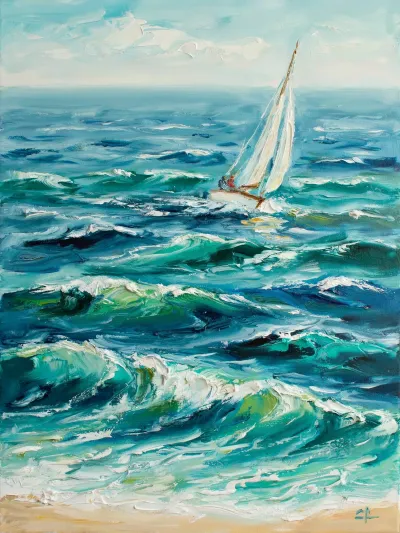
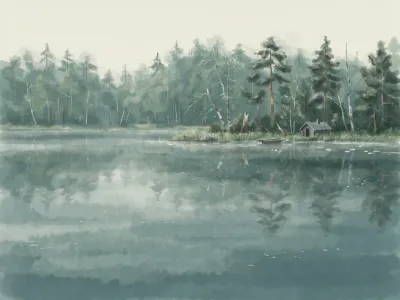
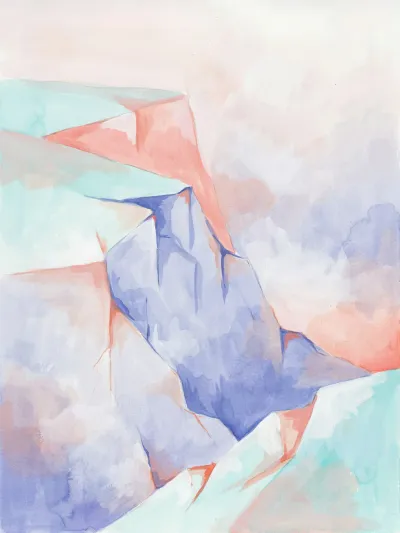
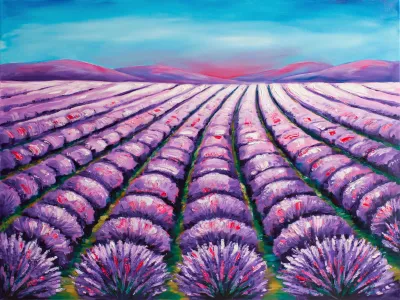
For every tool you'll get our read - openly subjective, since that is the only honest way to judge art - plus a gallery of 15 images, so your own eyes make the final call. We've ranked these starting with the one we reach for most for wall art and working down to the one we reach for least. Yours may land in a different order, and that is completely fine - this is a suggestion, not a scoreboard.
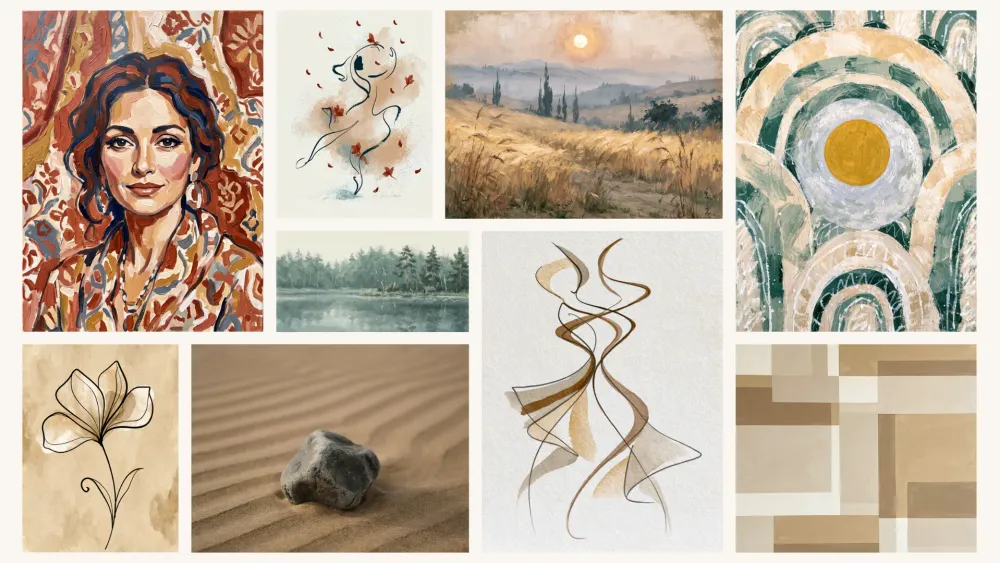
Here is what shaped our scoring, before we get into the tools one at a time. For wall art, a handful of things carry the most weight:
A human-made feel
The single most important one for us. Art on a wall should look like a person made it, not a model. If it screams "AI", it loses us fast.
Emotion and soul
Does the piece carry a mood, a bit of life, something that holds your eye. This is the vibe we keep coming back to.
Range of mediums
Oil, watercolor, ink, pencil, and everything around them. A strong tool understands the medium you ask for, not just one house look.
Knowledge of artists
Name an artist and the tool should lean on their manner and not ignore their names.
And if writing the prompts sounds like a chore - every tool here asks for something slightly different and reads a request its own way - none of that has to land on you. That is exactly why we built our Wall Art Prompt Builder. It holds the tool-specific wording for you and shapes each prompt to match how that tool reads art, so your attention stays on the piece you want, not the phrasing.
1. Midjourney 6.1 / 7 / 8.1
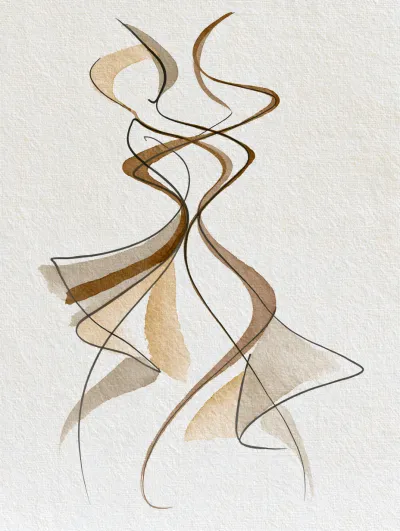
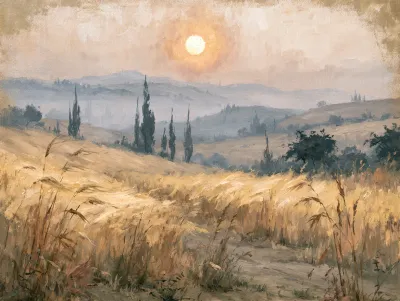
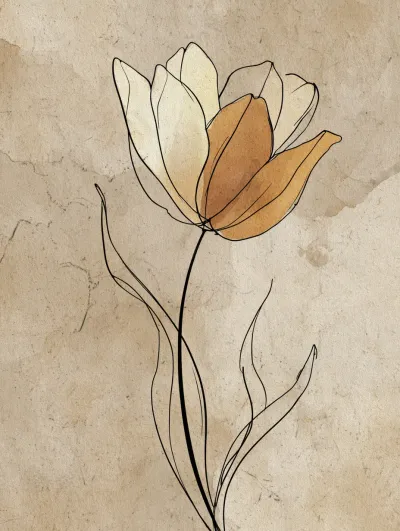
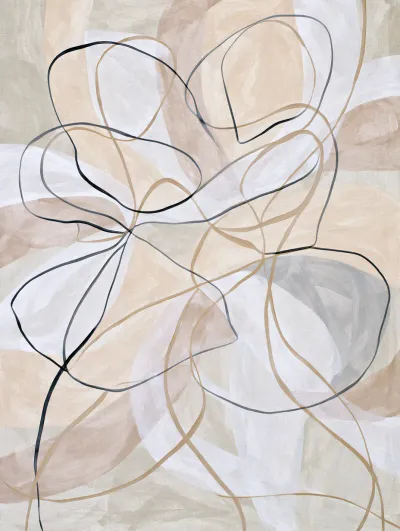
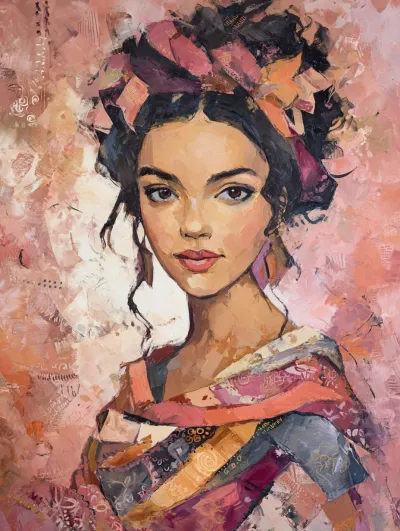
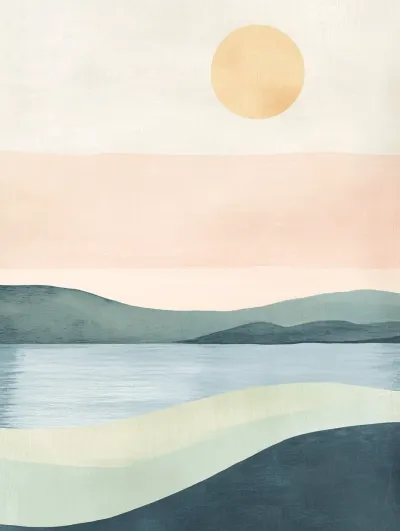
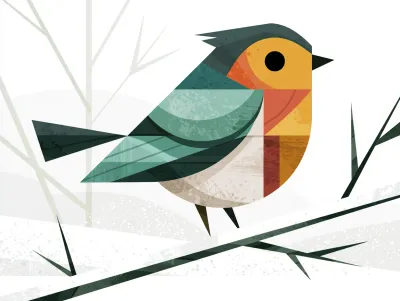
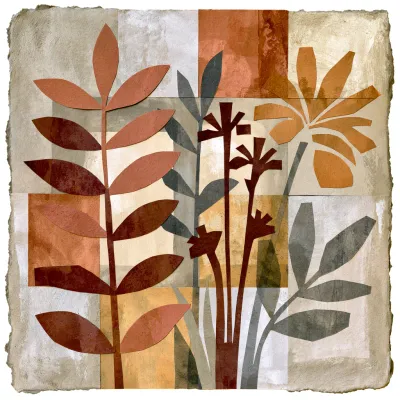
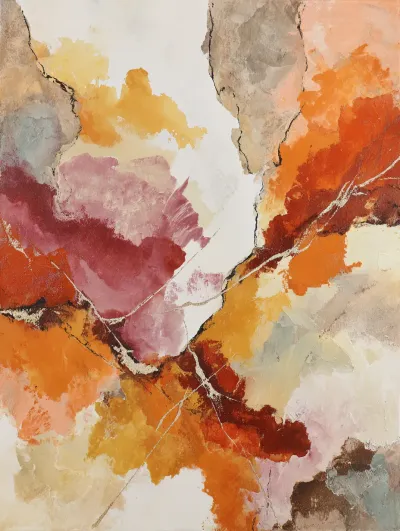
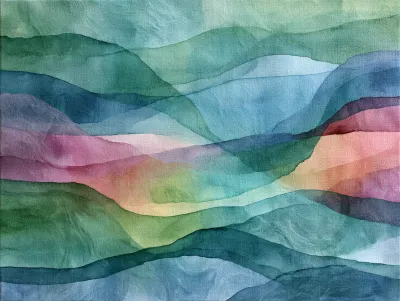
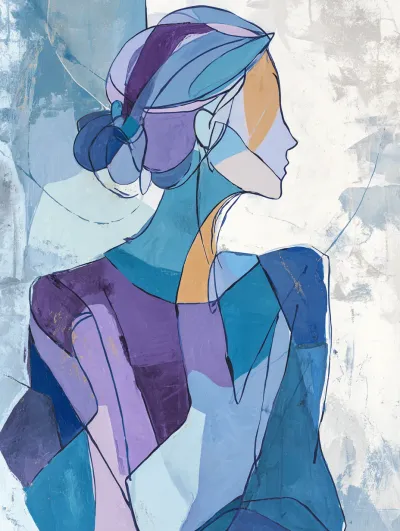
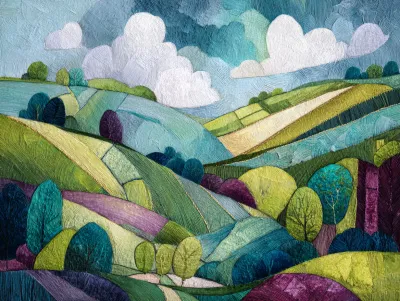
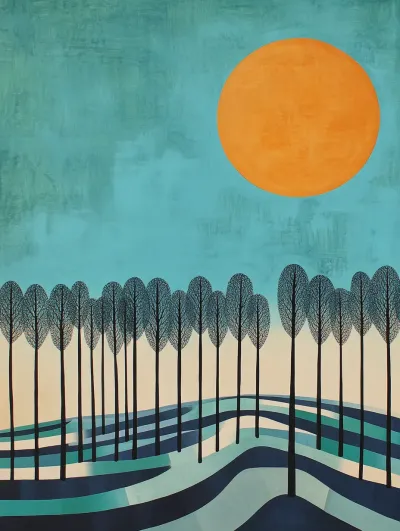
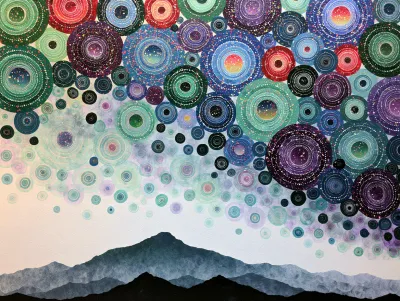
Midjourney is our top pick for wall art, and it is not a close race. It has real weak spots - ask it for precise shapes or clean vector work and it can fall apart; and now and then it drops visual clutter into an image. For wall art, though, we can live with those. The feel, the mood, and the artistic hand are simply the best here. Midjourney covers the widest spread of techniques we've seen - oil, watercolor, ink drawing, pencil - and it truly understands each medium. It knows artists well too - Midjourney easily leans on the manner and paints what you actually asked for. That is the whole reason it sits on top: the broadest range of styles, the deepest knowledge of artists, and images with the most soul. In a lot of cases - not all, but a lot - they don't even read as AI. On top of all that, it is one of the fastest and cheapest tools out there right now.
2. Recraft V4
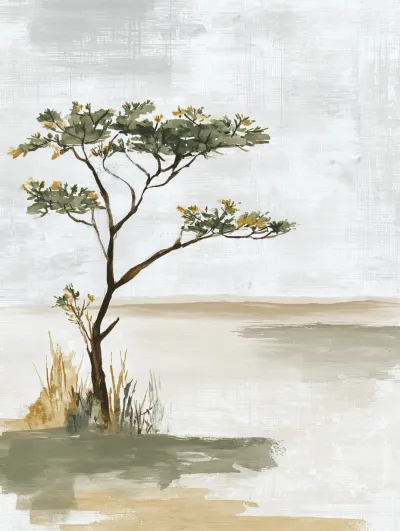
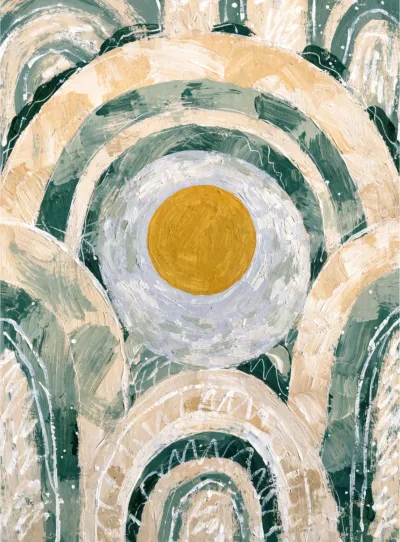
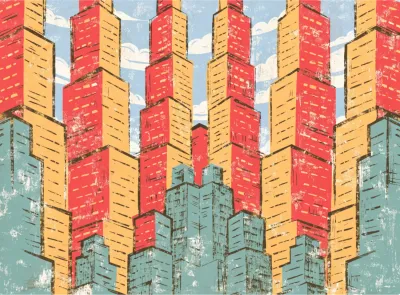
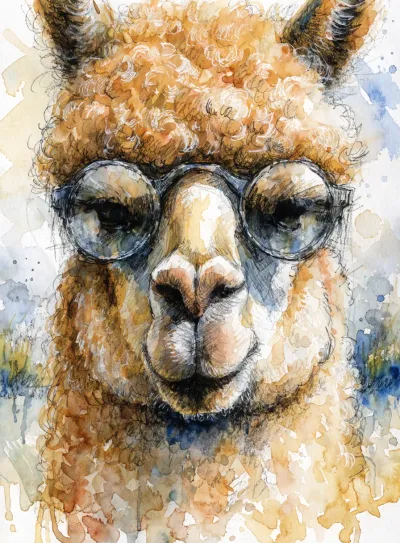
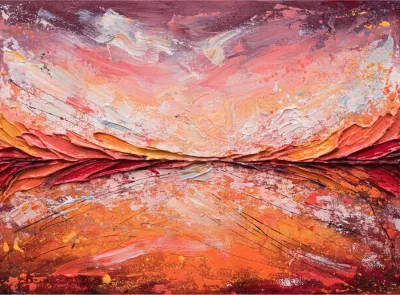
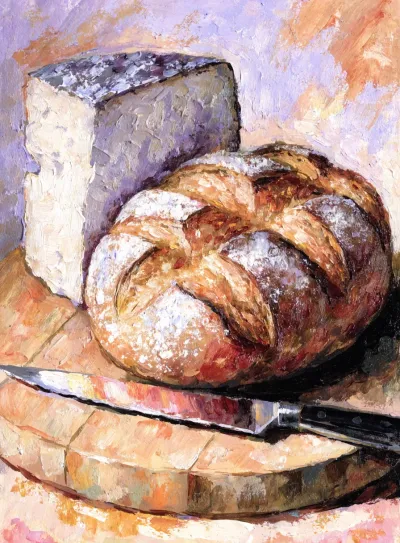
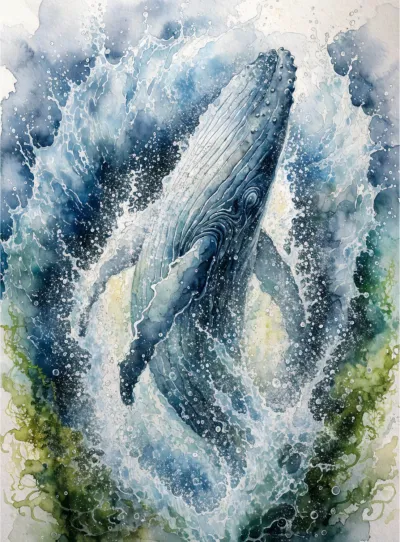
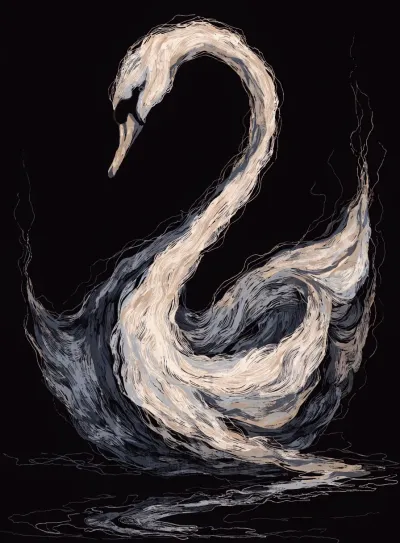
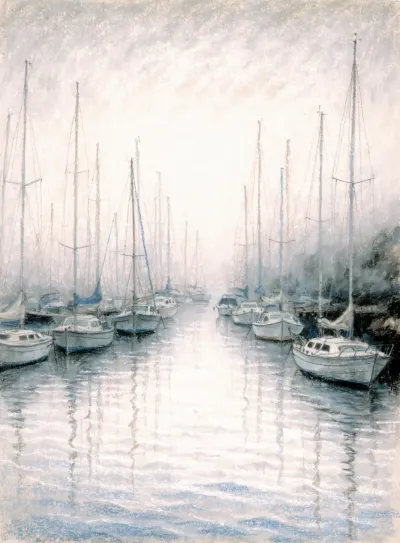
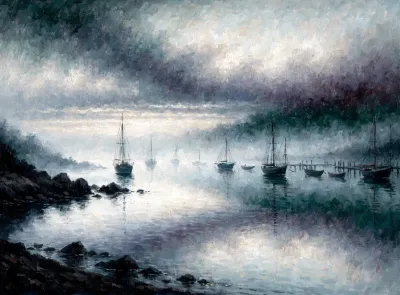
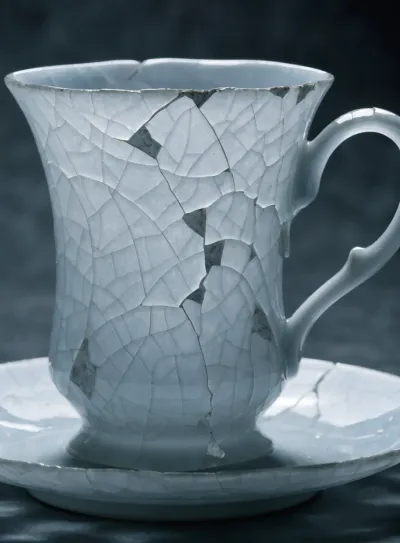
Recraft is unique, and that is exactly why it stands apart. Its artistic manner is its own, and it knows its way around all kinds of paintings and styles. What we prize most here is the same thing wall art rewards most - that uniqueness. What Recraft makes, no other tool will make, because its approach is genuinely different, and that is how it positions itself: a distinct artistic touch, not something copied and pasted out of another model's training data. Honestly it almost shares first place with Midjourney, sitting just a step behind. But as we keep saying, holding one artistic manner up against another is close to impossible.
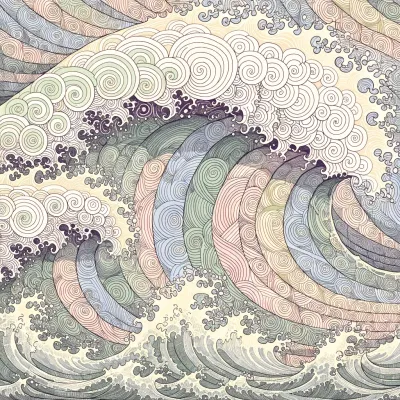
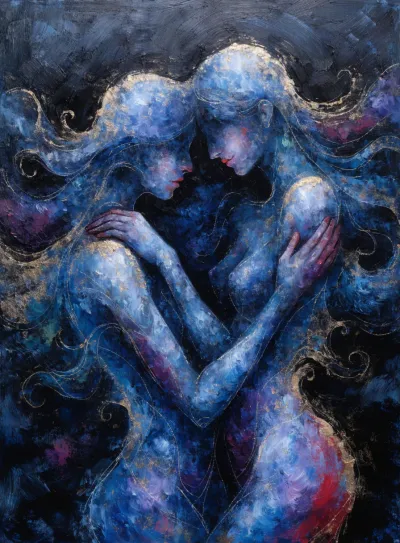
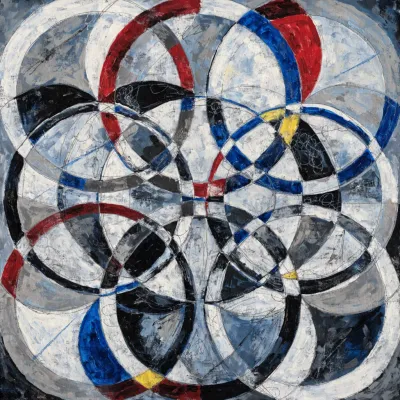
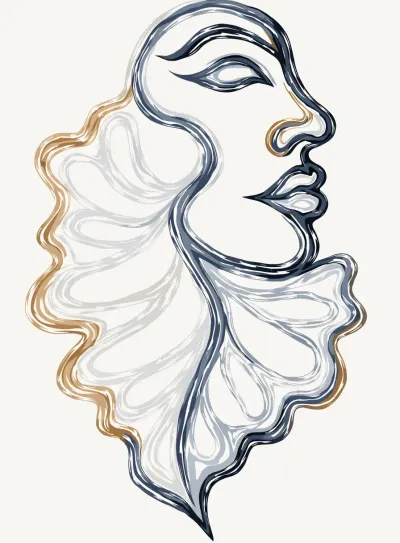
3. Seedream 4.5
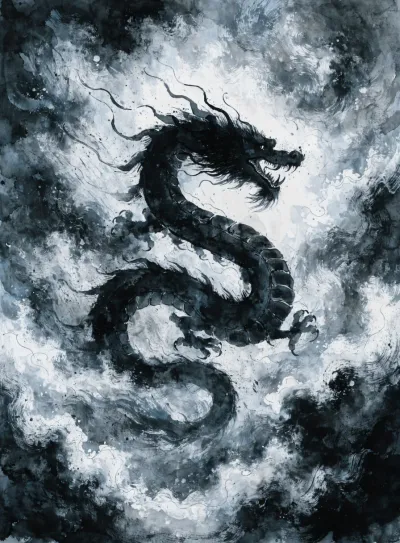
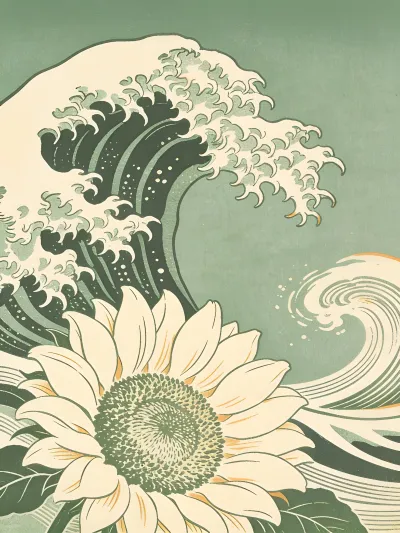
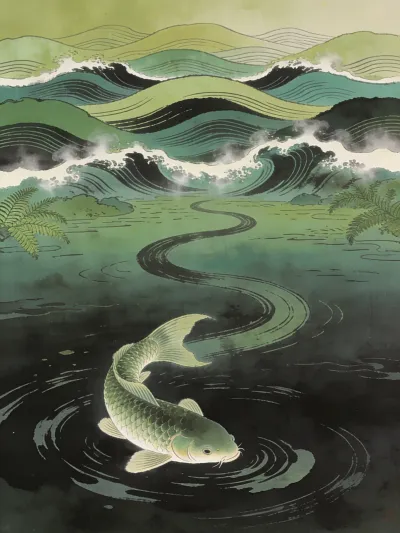
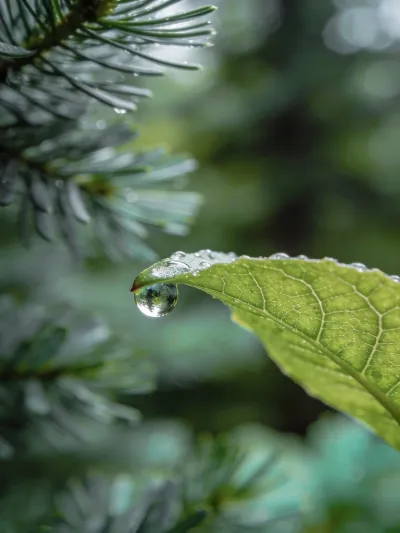
Seedream had a handful of ideas and results we really liked. Its macro photos stood out, its way with text won us over, and it has a lovely feel for Japanese aesthetics. The classic landscapes have their own charm too. And the spread of styles it can deliver is worth a mention on its own - it moves across looks with real ease.
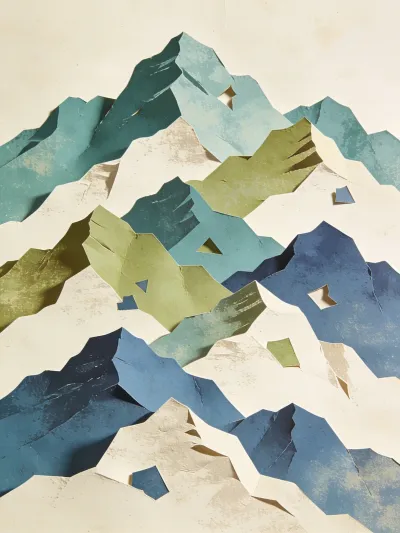
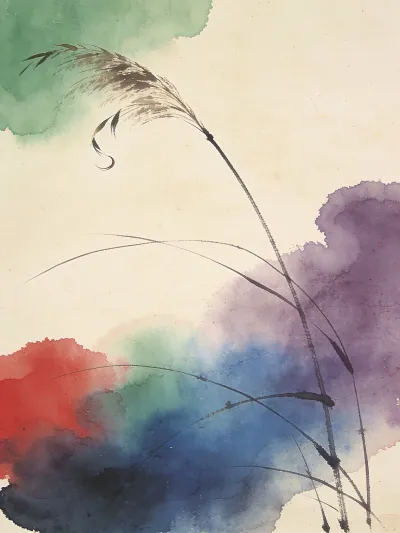
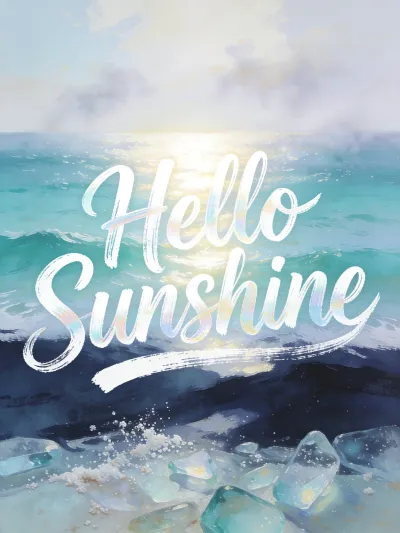
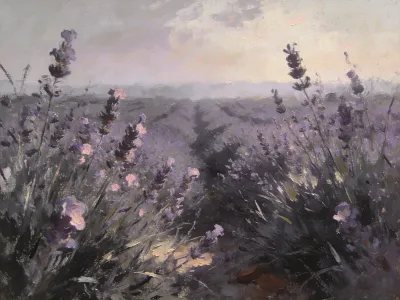
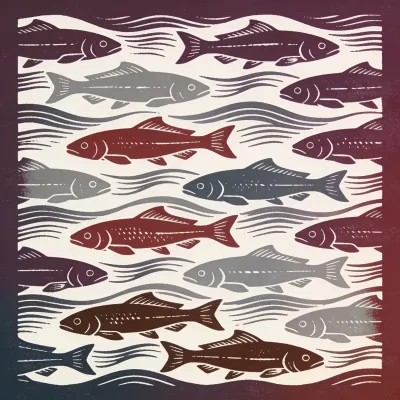
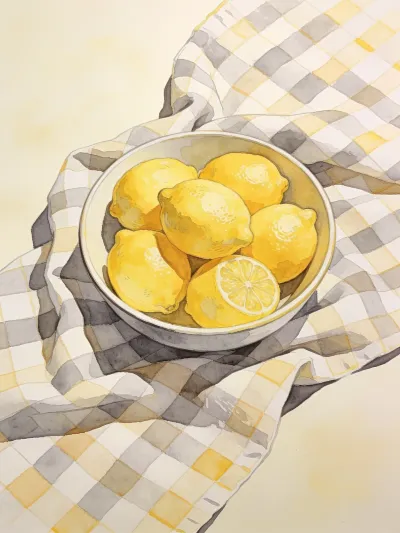
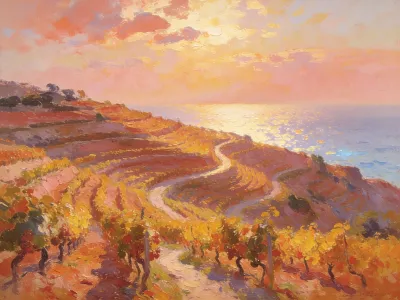
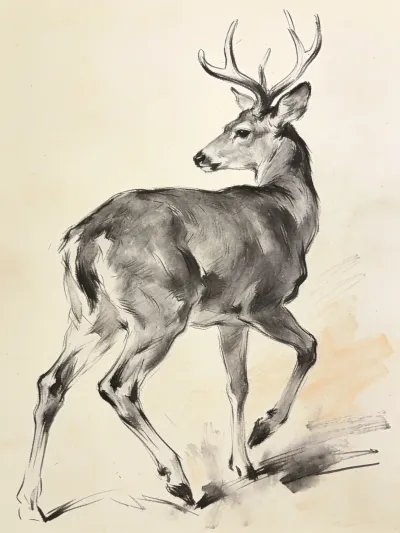
4. ChatGPT Image 2
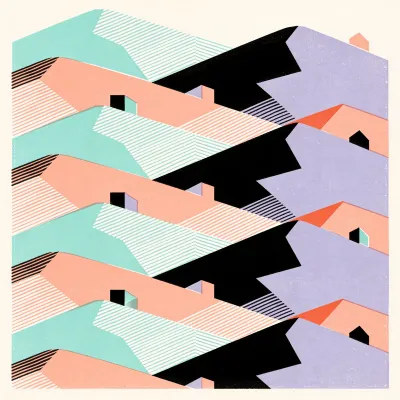
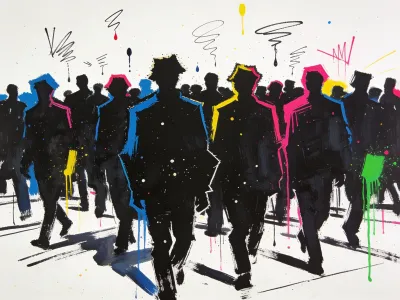
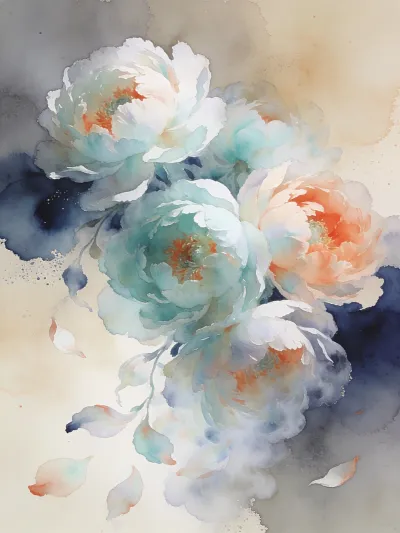
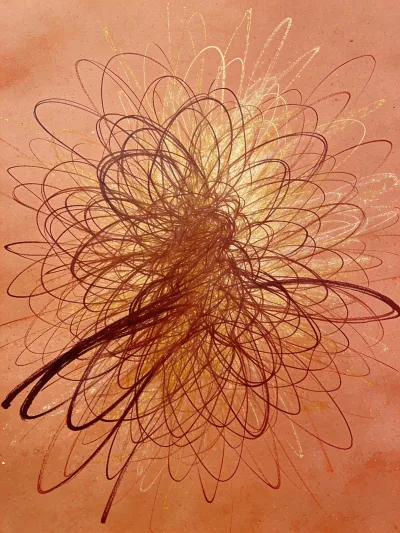
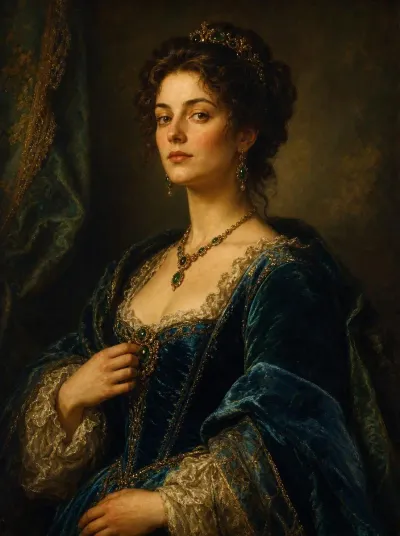
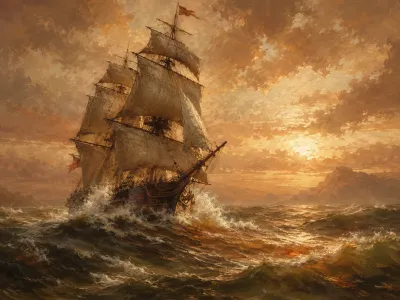
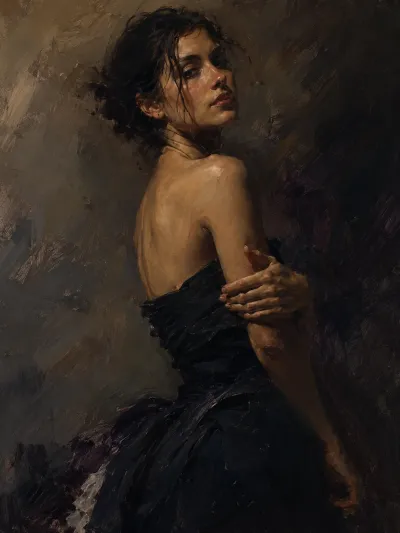
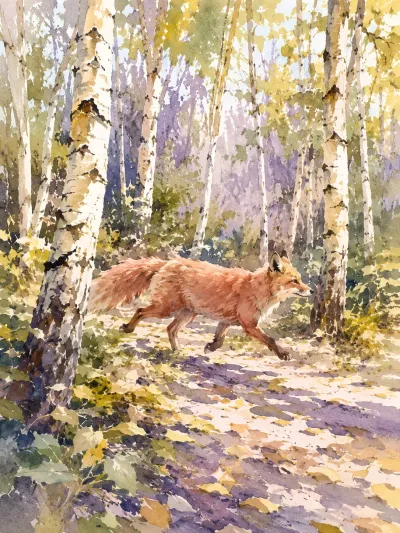
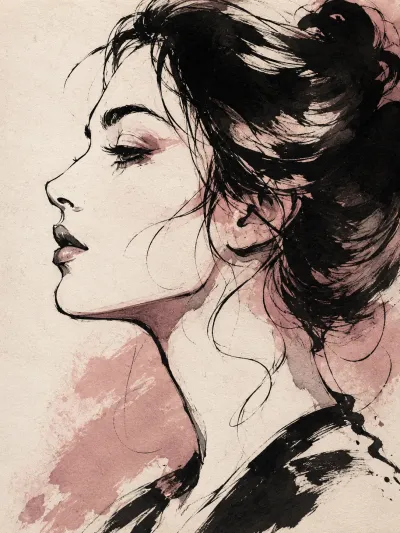
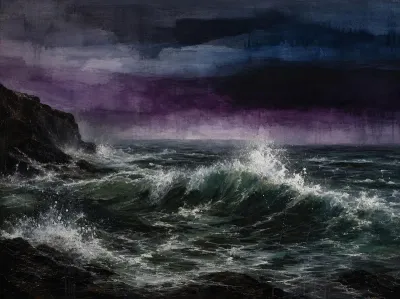
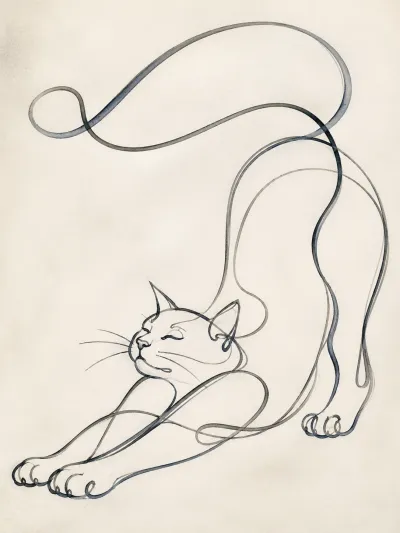
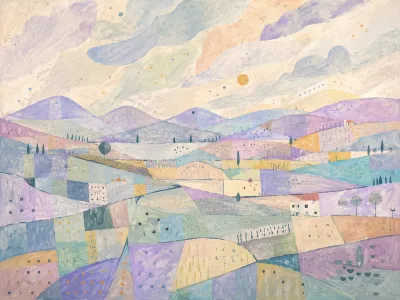
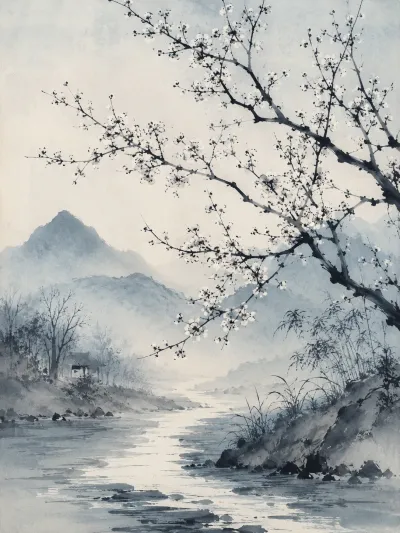
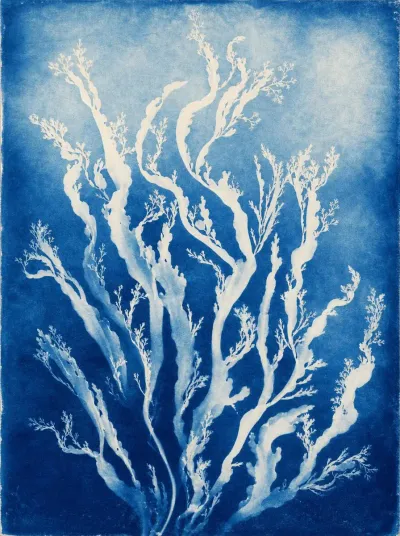
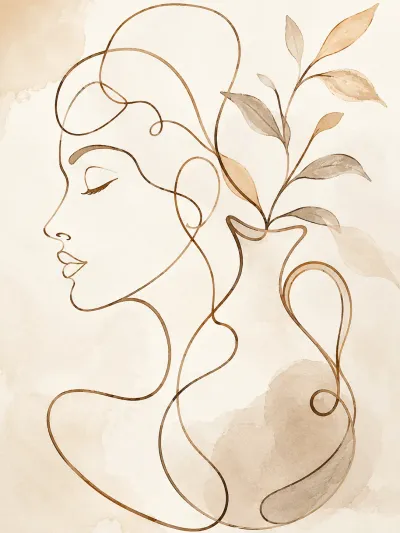
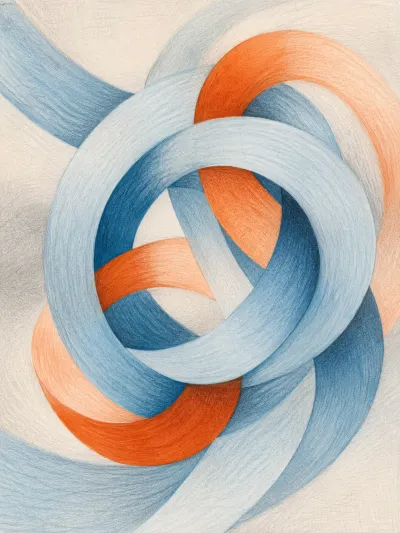
For this niche, ChatGPT was a bit of a letdown for us. The main reason is simple: a lot of what it makes still reads as AI. The technique itself is fine - ask for oil or watercolor and the craft is there, no complaints. But the overall feeling that comes off the piece is "a machine made this", and that is the one thing we want to avoid with wall art, where a human-made feel matters more than almost anything. A few examples of what we mean:
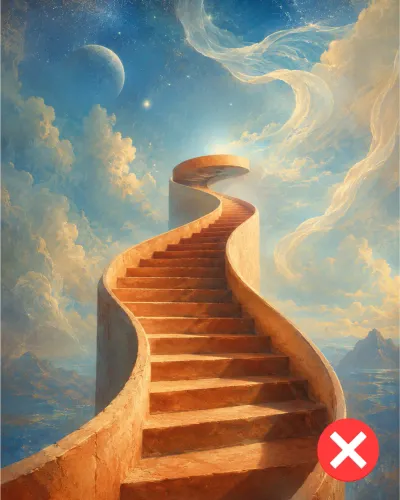
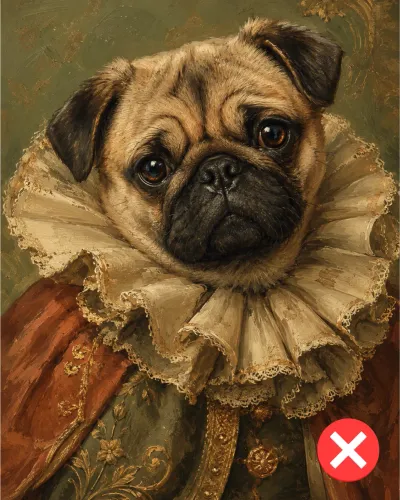
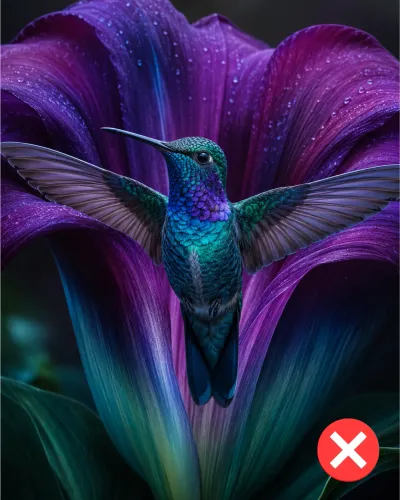
When a piece does land, though, the underlying craft is solid, and for certain styles it is still well worth a look.
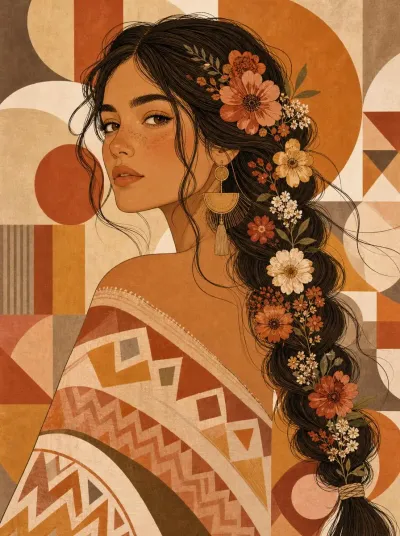
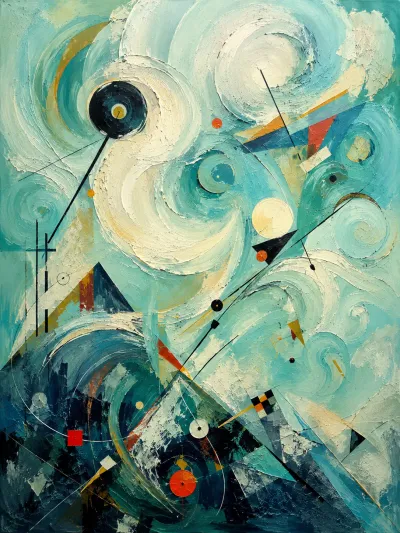
5. Flux.2 Pro
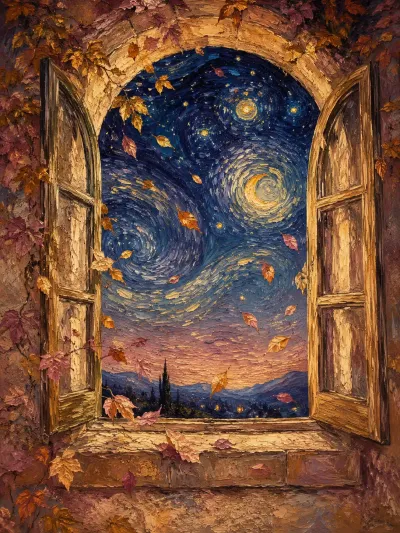
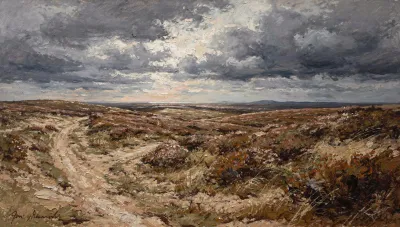
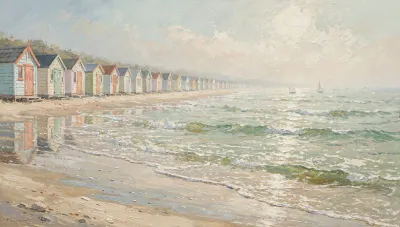
Flux is more than capable of wall art, and its oil paintings are what we liked best - there is just something in them that makes them stand out. Beyond oil, it handles a wide range of mediums without much trouble. The one thing that holds it back is consistency of color: some images come out short on contrast and brightness, and that flatness is a recurring Flux trait. Even so, it can produce pieces we'd happily hang.
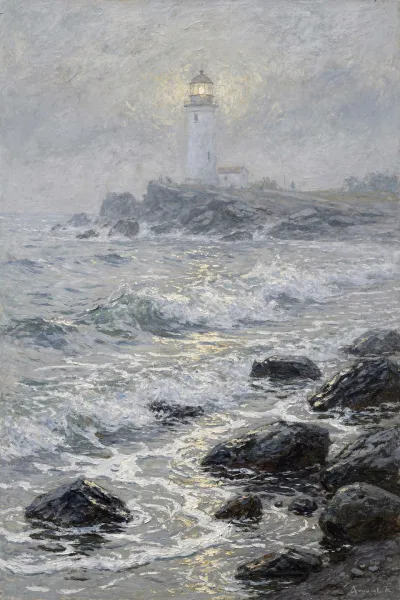
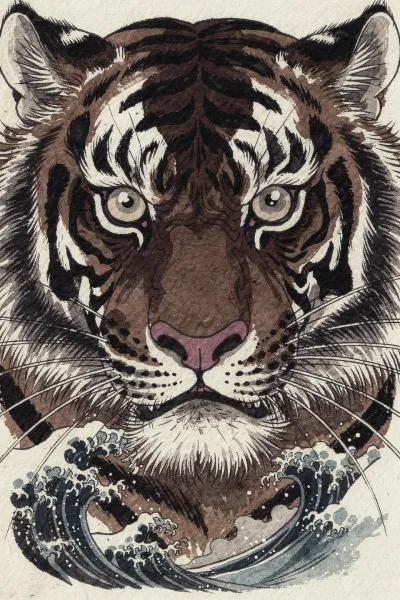
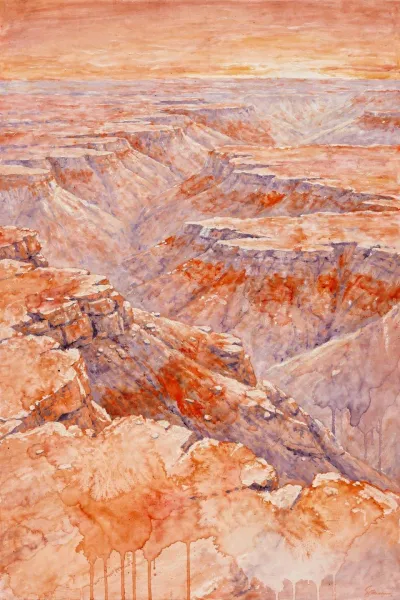
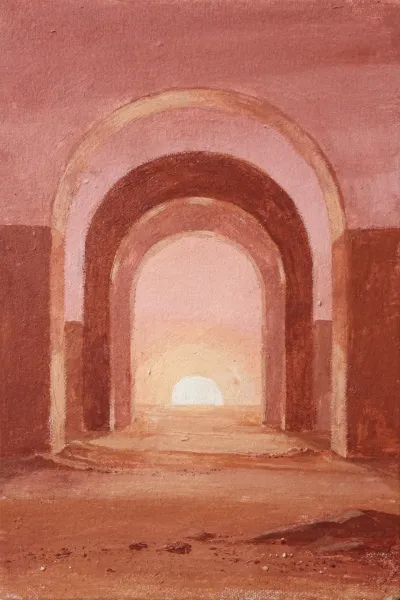
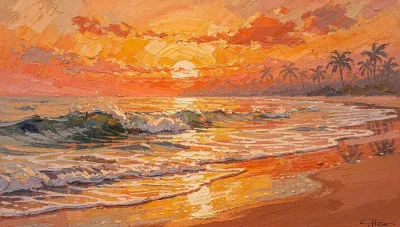
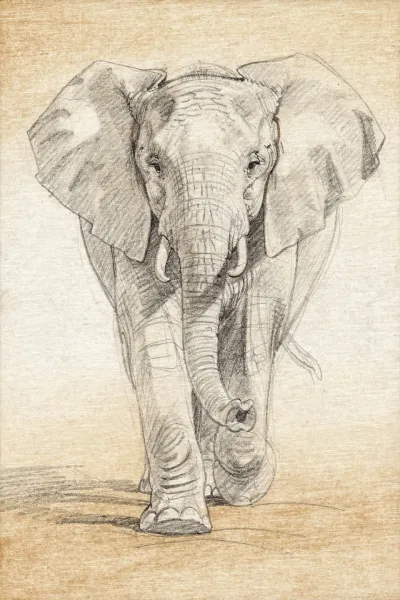
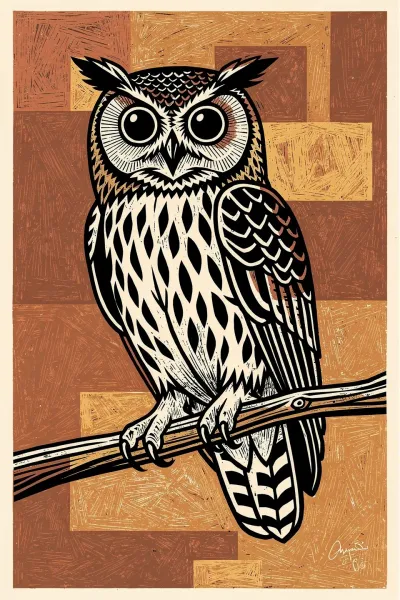
6. Nano Banana 2 & Nano Banana Pro
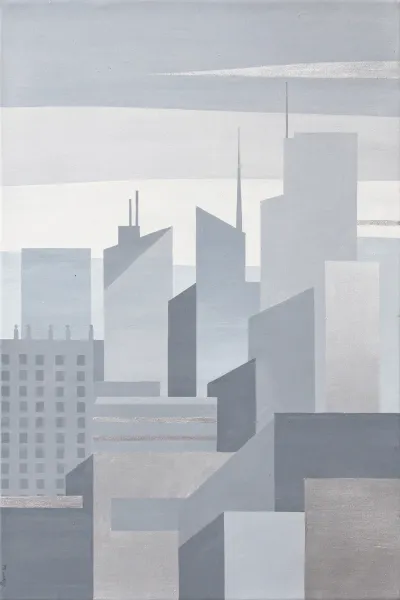
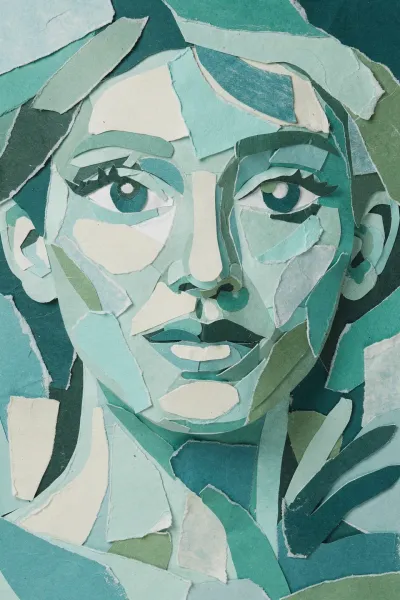
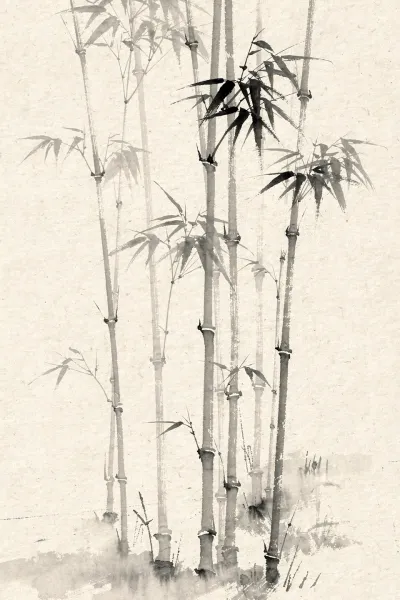
Nano Banana sits closer to the bottom this time, and there is a clear reason. It is the one tool that kept running into the mockup problem - handing back a painting shown hanging on a wall, or a sheet of paper with the art on it sitting on a table, instead of just the artwork. Of all the tools here, it leaned that way the most.
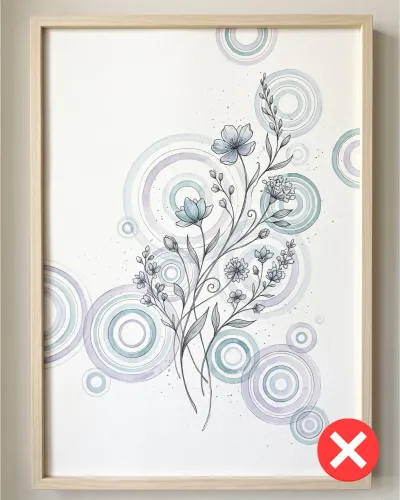
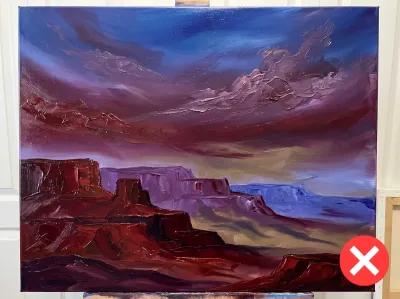
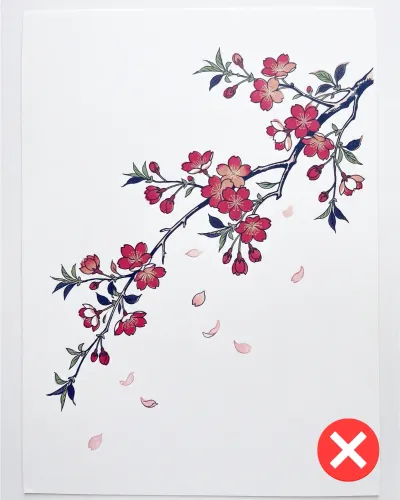
On top of that, like ChatGPT, it carries that AI feel we can't quite shake when we look at its work. Those are the two reasons it landed near the end.
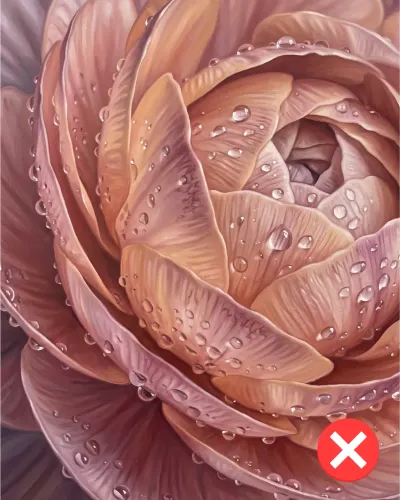
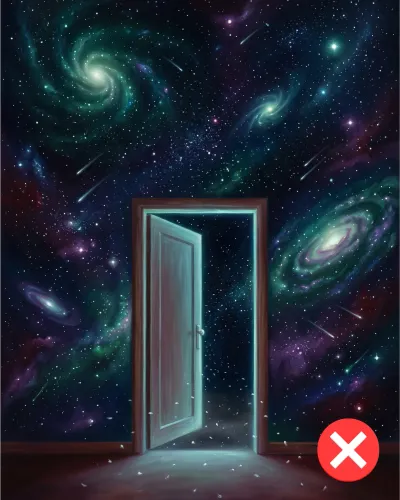
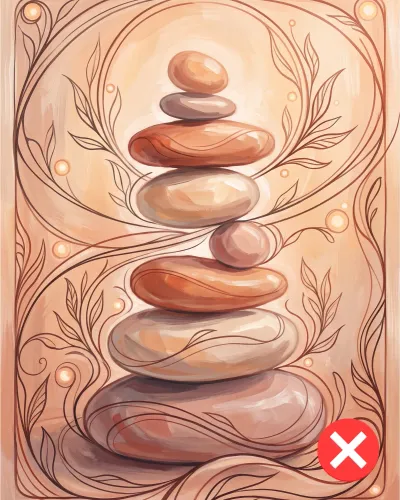
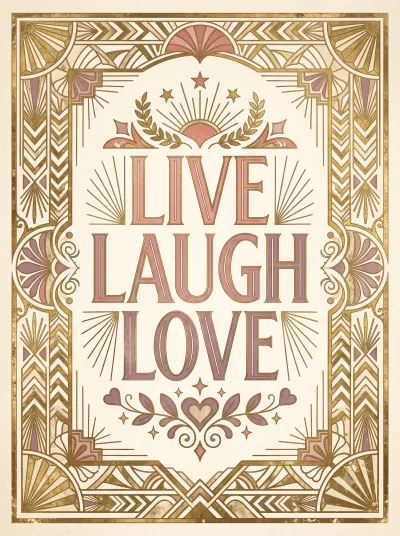
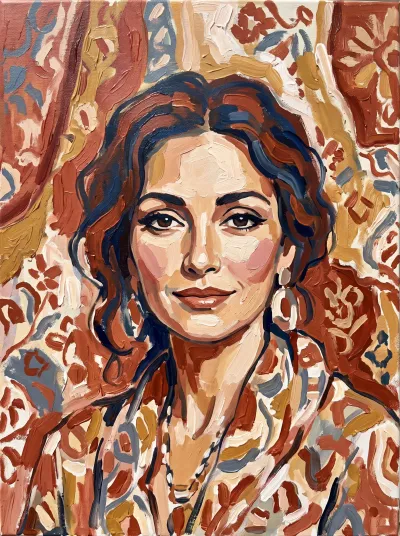
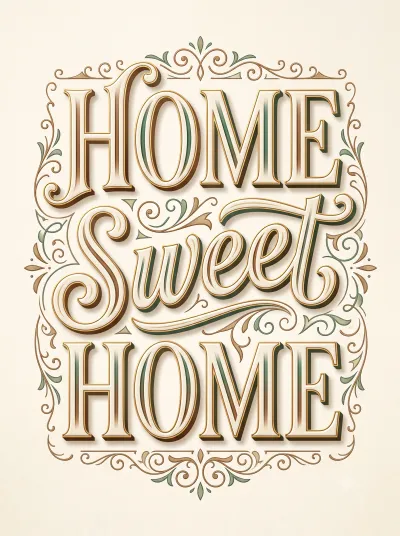
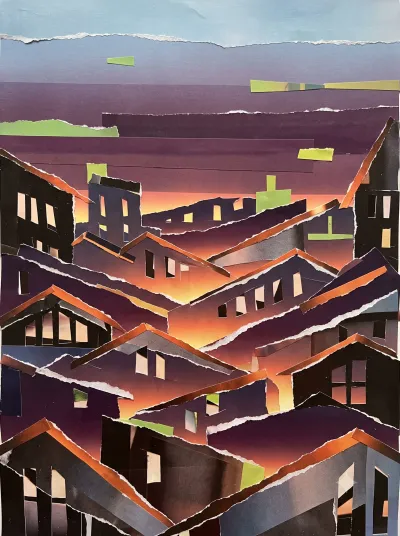
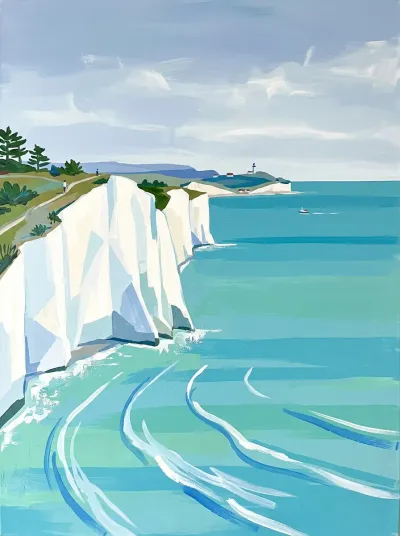
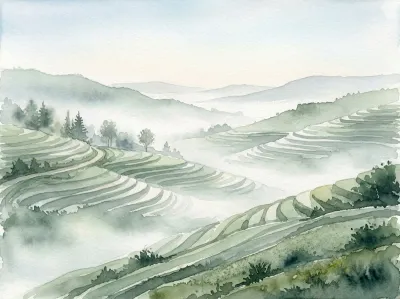
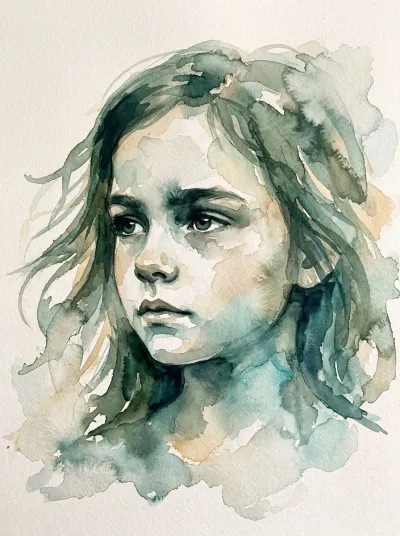
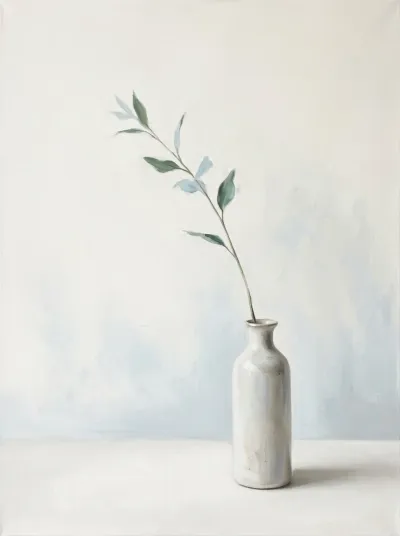
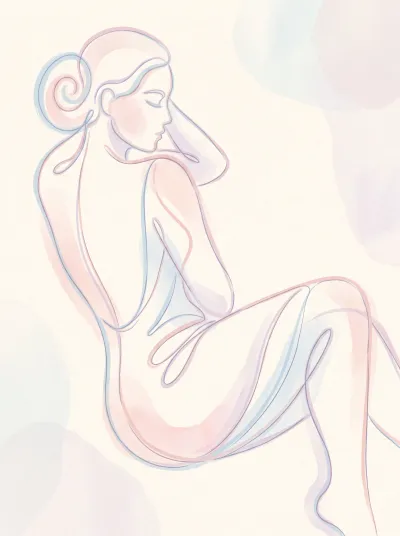
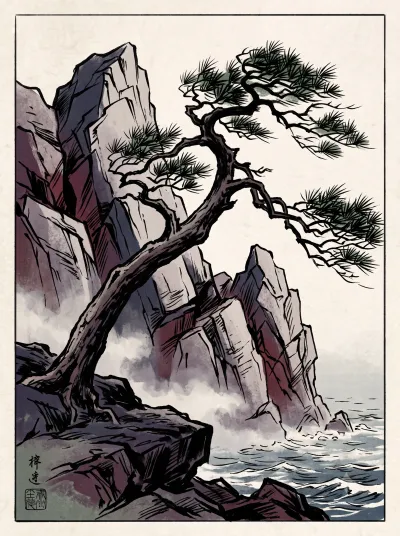
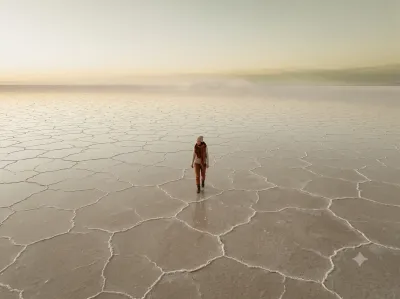
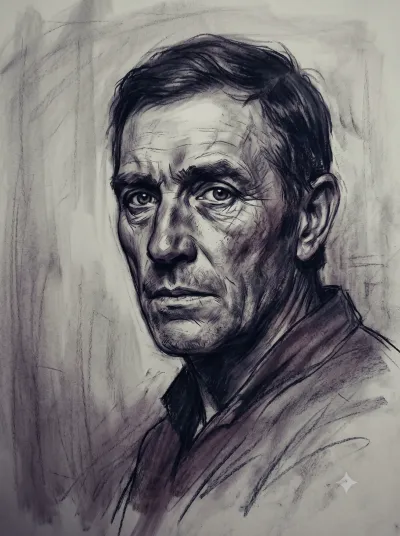
That said, most of its results are good enough, a few of them we genuinely like, and its range across mediums is right up there with the best.

7. Lucid Origin
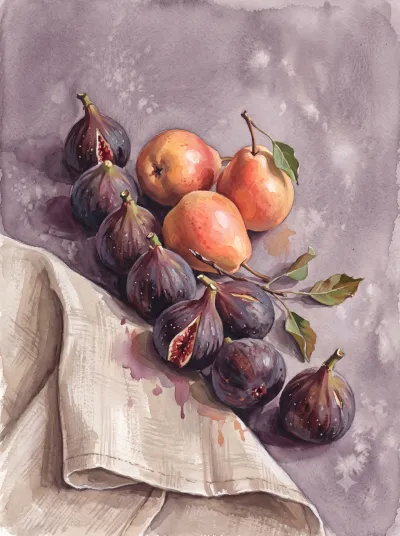
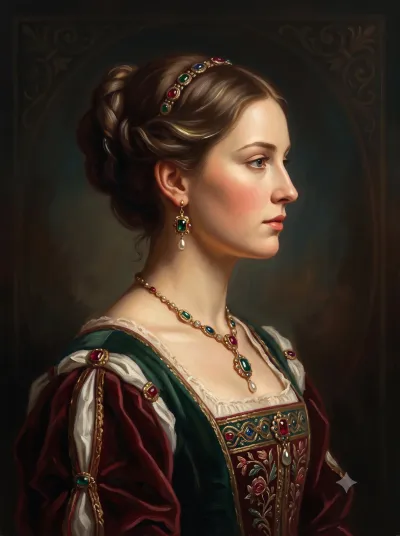
Lucid Origin caught us off guard in the best way. It is usually a fairly basic tool, yet it turned out to handle some interesting wall art techniques. We liked the range of what it could reach for, and a few of its pieces read as non-AI to us - the kind of thing we'd actually put on a wall. The catch is the hit rate: the share of results worth keeping is on the low side. Still, it is worth a try, and for wall art today it is far from the weakest option on this list.

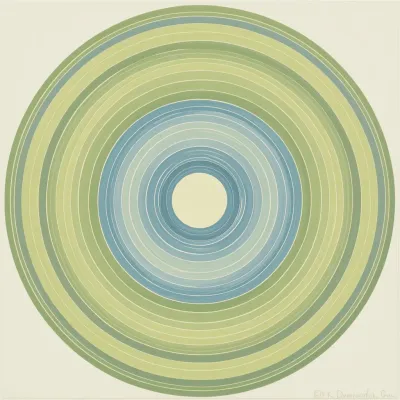
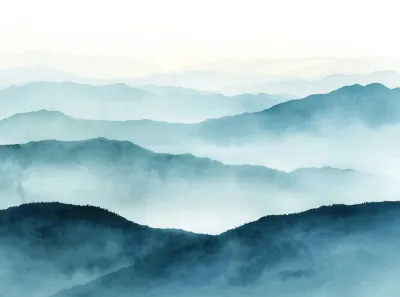
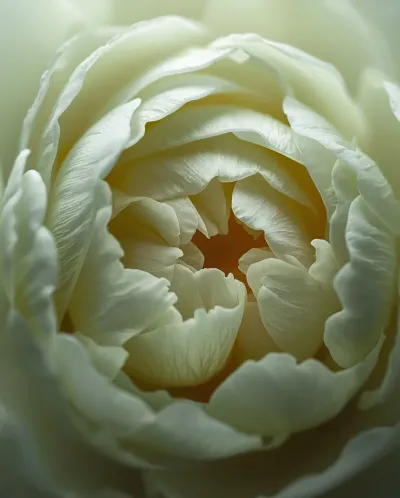
8. Ideogram 4.0
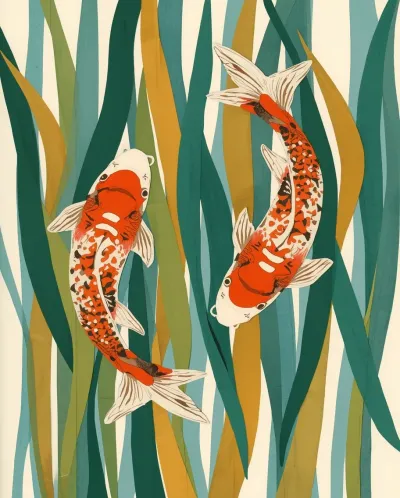
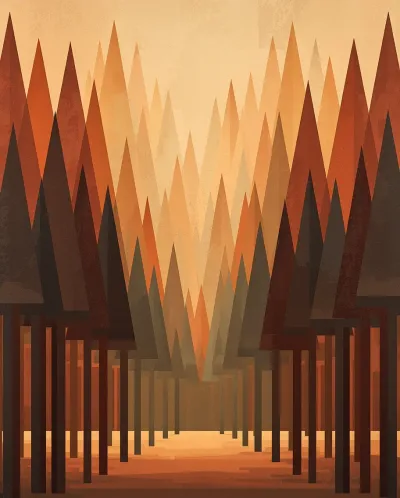
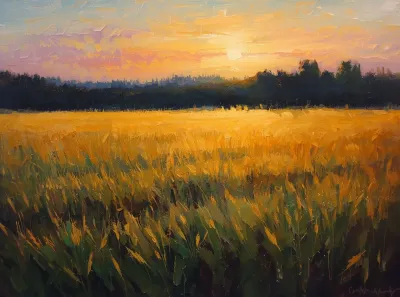
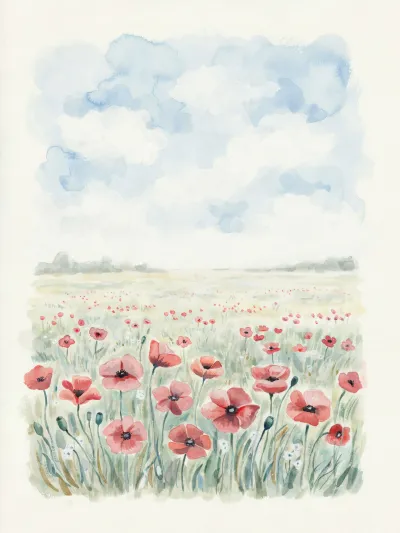
Ideogram recently rolled out version 4, and that release is the first time the tool could really approach wall art at all. Before it, Ideogram couldn't manage an oil-painted manner or a watercolor one - the very fundamentals of this niche. So version 4 is a big step forward, no question. It still leans toward AI-looking results in terms of artistic value, and its grasp of art styles and specific artists is a little thin for now. But the jump is real, and it moves Ideogram from "not an option" to one worth keeping an eye on as it grows.

Conclusion
So which one do you reach for? It depends on what you're trying to feel from the finished piece, because these tools are not interchangeable. A couple of them are strong right across wall art, while others shine in one corner - a medium, a mood, a kind of photograph - and come up short elsewhere. The table below lays out where each tool stands on what matters for wall art, so you can line the tool up with the piece you have in mind.
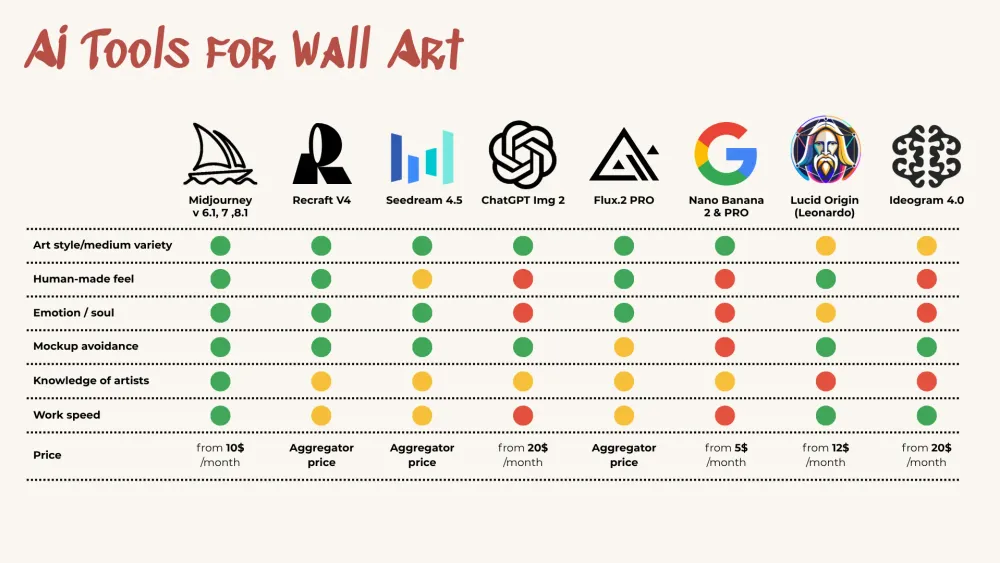
Comparison summary for Wall Art
Whichever one you land on, our Wall Art Prompt Builder is built to bring out its best - it shapes the prompt around the way that tool reads art, so the feeling you pictured is the feeling that ends up on your wall. Or, before you buy, take the Wall Art Inspiration Bank for a spin - a gallery of prompts we built with it, ready to paste into your tool.
Happy creating!